
Will a Stump Grow Back After Grinding
Short answer: the stump itself doesn’t come back, because grinding turns it into wood chips. But the root system underneath is a different story, and that’s where the “will it grow back” question actually comes from.
Why roots can still send up shoots
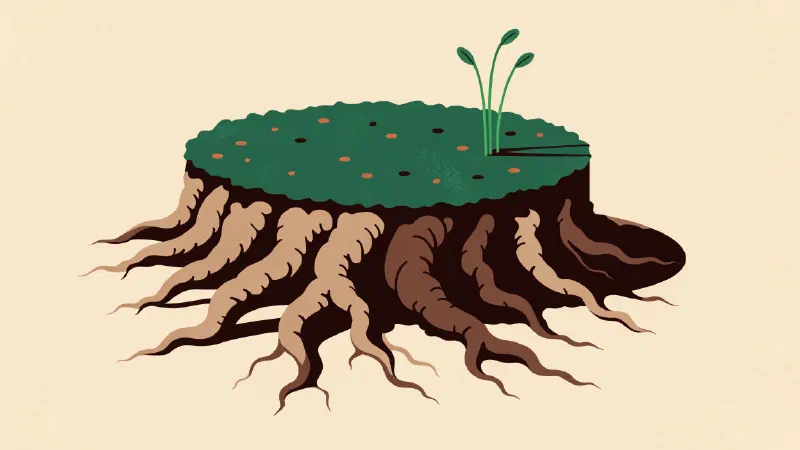
Grinding removes the stump down to well below ground level, but it doesn’t touch the roots spreading out under the lawn. Many tree species carry dormant buds along those roots. They normally sit inactive, but cutting the tree down and grinding the stump can trigger them, and they respond by sending up new shoots, called suckers, from the root system itself rather than from the ground where the stump used to be.
This is a root response, not the stump regrowing. It’s the reason you sometimes see a ring of skinny new shoots coming up in the lawn a fair distance from where the actual stump was.
Which trees are more likely to do this
Species with a strong tendency to sucker from the roots are the ones you’re most likely to see this from. Camphor laurel, poplars, willows and some eucalypts are known for it. Conifers like pines and hoop pines are much less likely to sprout after grinding, because their root systems tend to die back once the tree is cut rather than staying active.
Timing
If it’s going to happen, shoots usually show up within four to eight weeks of the tree coming down, during the warmer months when everything is growing fastest. It’s also possible for a root sucker to turn up as late as a year afterwards, which can catch people off guard when they thought the job was long finished.
What to do if you spot a shoot
Dealing with a root sucker early is straightforward. Mowing it off with the rest of the lawn is often enough to keep it in check, since a shoot that keeps getting cut back rarely has the energy to persist. If shoots keep coming back from the same spot despite repeated mowing, snipping them off at the base with secateurs, right where they emerge from the root, tends to slow them down further than mowing alone.
What this means for your yard
For most homeowners, an occasional root sucker is a minor thing: you mow it off or snip it out and it doesn’t come back. It’s not a sign the grinding job was done wrong, and it doesn’t mean the stump is regrowing. If you’re planting new turf or garden beds over the area, keep an eye out in the first season and deal with any shoots as they appear.
If you’re planning to plant a new tree in the same spot rather than just laying turf, that’s a different question again, because you want the roots properly out of the way, not just the visible stump ground down. That’s the case where full stump removal, rather than grinding, is worth considering.
Species that are unlikely to bother you at all
Not every tree is a suckering risk. Conifers and many ornamental species that don’t naturally regrow from cut trunks are far less likely to send up anything at all once the stump is ground out. If you know what the original tree was, that’s worth mentioning when you’re getting the job quoted, since it gives a realistic idea of whether root suckers are something to keep an eye out for afterwards or simply not a concern for that particular tree.
Stump Boss grinds stumps big, small and hard to reach, from North Brisbane to the Sunshine Coast. Get a quote for your stump, whatever the tree.
Related reading: stump grinding vs stump removal, which one do you need Service page: stump grinding
Stump Boss does stump grinding and lawn aeration from North Brisbane to the Sunshine Coast.